
What Applied Research Knowledge Does the MSCIM Program Cover?


I am Nguyễn Trần Phú Thịnh, currently serving as Deputy Director of the Ho Chi Minh City Digital Transformation Center. With over 18 years of experience in public administration, spanning ward, district, and city levels, I have had the opportunity to participate directly in digital transformation initiatives and the development of smart city models. This practical background has allowed me to approach the Master of Smart City and Innovation Management program (MSCIM) with a clear perspective: learning to apply knowledge and learning to solve real-world problems.
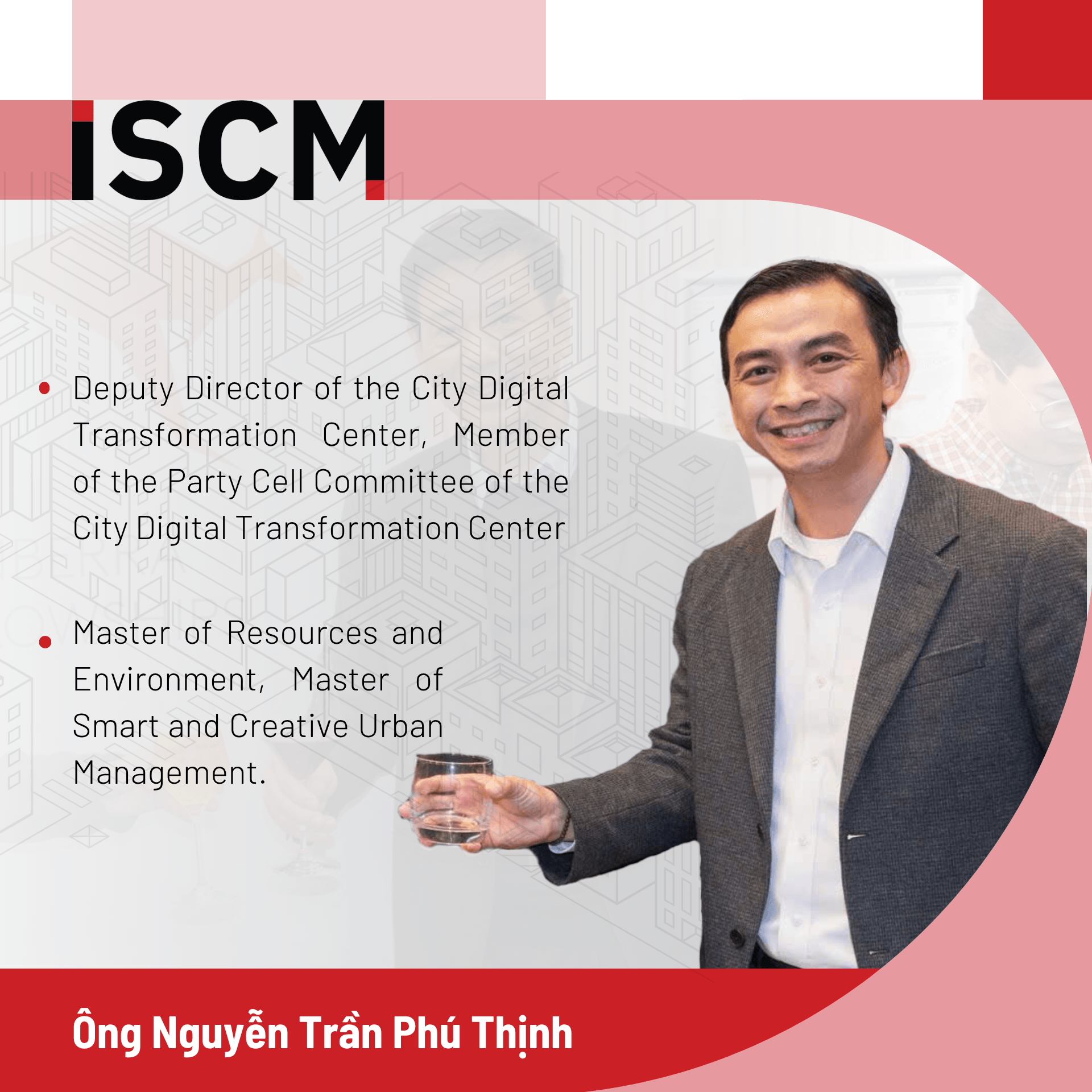
One of the program’s most distinctive features is its focus on applied research, where learning goes beyond theory and is closely linked to urban management practice. For me, the learning journey here is not just about acquiring knowledge but also about transforming my mindset, approach, and problem-solving methods in professional contexts.
A particularly memorable learning experience was the group work sessions at the Institute’s StudioLab. This is a unique learning space where participants engage with simulated real-world urban scenarios in Ho Chi Minh City as well as international cities. In these sessions, we use modern tools and technologies to analyze data, then propose innovative and feasible solutions. Working in a multidisciplinary environment with students from diverse fields expanded my perspective and deepened my understanding of the complexity of urban issues.
Additionally, the program’s courses are designed to integrate theory and application. Notably, the Urban Data Analysis course, combined with projects applying artificial intelligence in urban planning, marked a significant shift in my thinking. Whereas I previously relied mainly on practical experience, I now approach problems based on data, scientific evidence, and multidimensional analysis before making decisions. This represents a fundamental change in how I approach modern urban governance.
Another key aspect is the project-based learning methodology, especially implemented through the StudioLab model. I consider this a modern learning approach that not only imparts knowledge but also develops practical problem-solving skills, interdisciplinary teamwork, and creative thinking. This methodology is effectively applied to both executive-level and general programs, bridging the gap between academic learning and real-world practice.
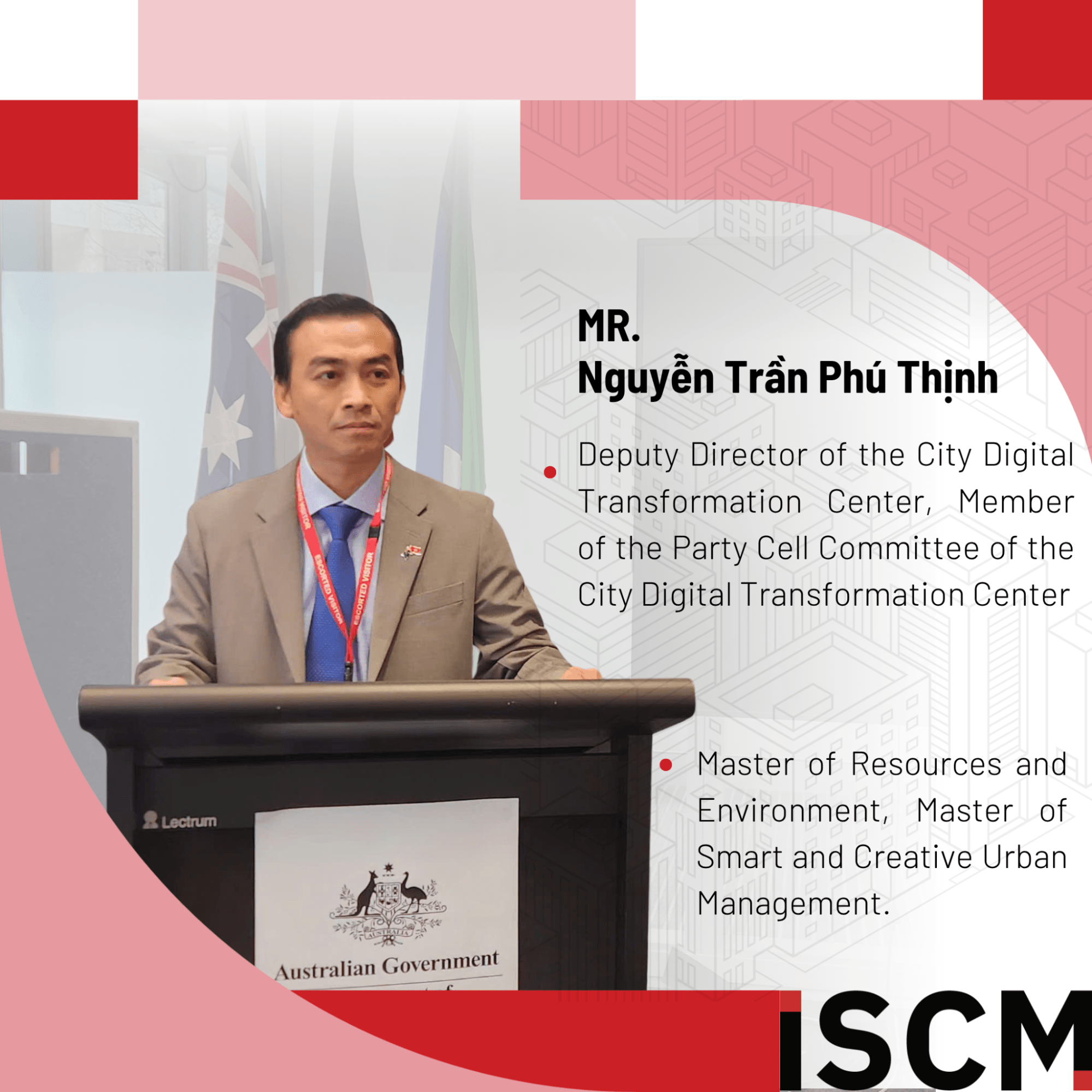
Mr. Thịnh participating in the Canberra Fellowships program of the Australian Department of Foreign Affairs and Trade
The program’s faculty also left a strong impression. They possess both solid academic foundations and extensive practical experience. Their teaching style is highly interactive, encouraging discussion and critical thinking, which fosters a dynamic learning environment where students can actively share experiences and learn from one another.
Furthermore, learning alongside participants from diverse professional backgrounds adds significant value. This diversity ensures that each issue is examined from multiple perspectives, including public administration, technology, economics, and society, making the solutions discussed not only theoretical but also highly applicable in practice.
Overall, my MSCIM learning experience has not only enhanced my knowledge but also transformed my thinking and working methods. From classroom sessions and StudioLab activities to applied projects, the program has shaped a modern approach to urban management that is data-driven, interdisciplinary, and oriented toward sustainable development.
Photos and sharings: Nguyễn Trần Phú Thịnh