Urban Living Lab 2026: From University campus to smart urban solutions


How can ideas generated in the classroom become practical solutions for future cities? This question lies at the heart of the Urban Living Lab course offered in 2026 within the Bachelor Program in Smart Urban Architecture and Design at the Institute of Smart City and Management (ISCM), UEH University.
Over nine weeks of learning and hands-on practice, students are introduced to the fundamental concepts of Living Labs, Co-Creation, and user-centered innovation methodologies. Under the 2026 theme, “Smart Urban Intervention: From University Campus to Urban Environment,” student teams begin their journey by investigating real challenges within UEH campuses, ranging from space management, mobility, and learning environments to the needs of campus communities.
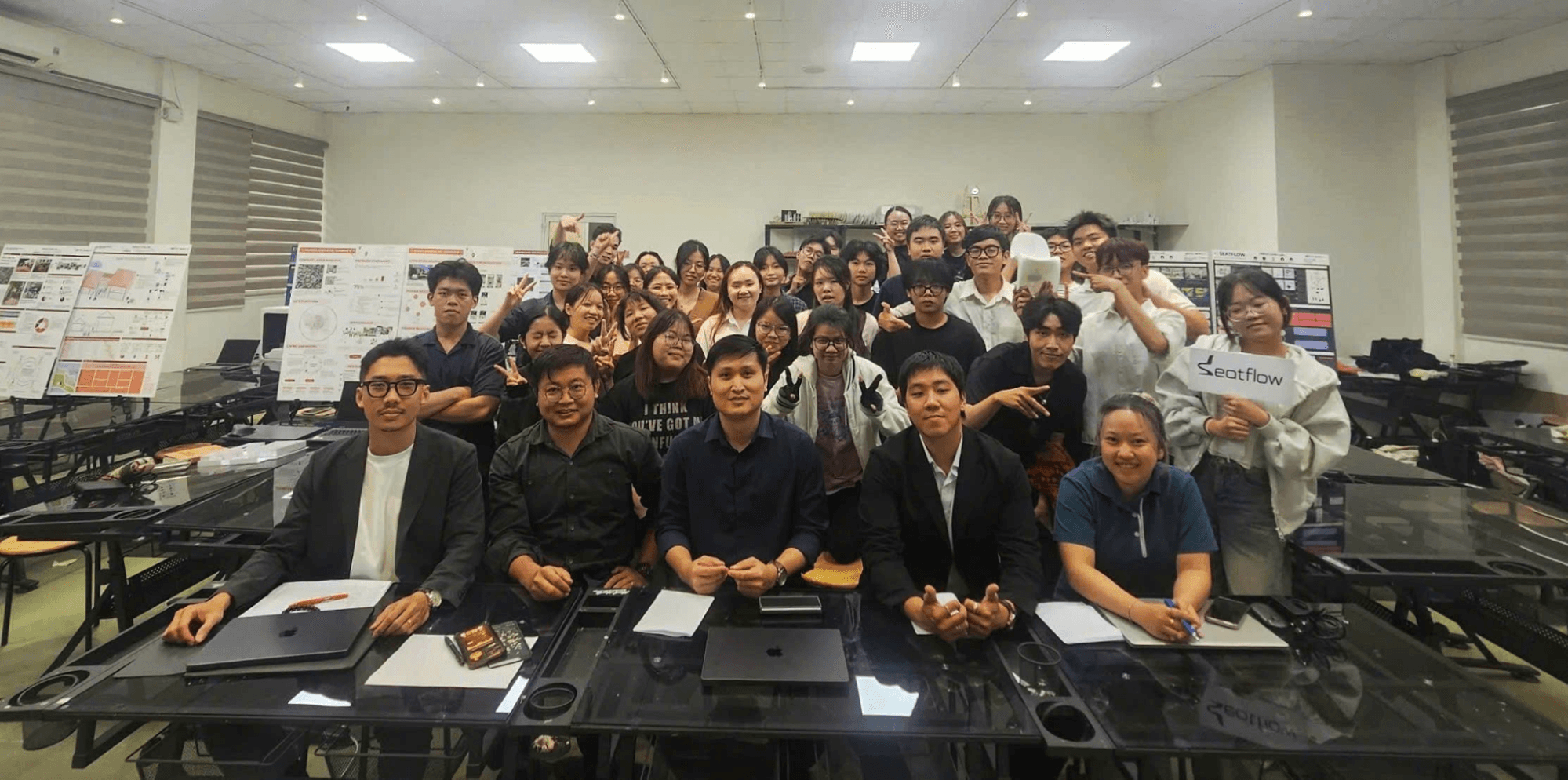
Through the Living Lab approach, students not only analyze existing conditions but also collaborate directly with stakeholders, including lecturers, students, technology companies, university administrators, and industry experts, to co-create solutions that address real-world needs. In addition, a field trip to Expo World Smart City Asia in Ho Chi Minh City provided students with valuable exposure to emerging smart city technologies and innovative urban solutions, inspiring further development of their projects.
At the end of the course, each team develops a comprehensive project that includes an operational model, implementation strategy, financial feasibility assessment, and a technology prototype demonstrating the proposed solution. These projects are showcased in a final exhibition and presented to a faculty review panel.
Student Projects
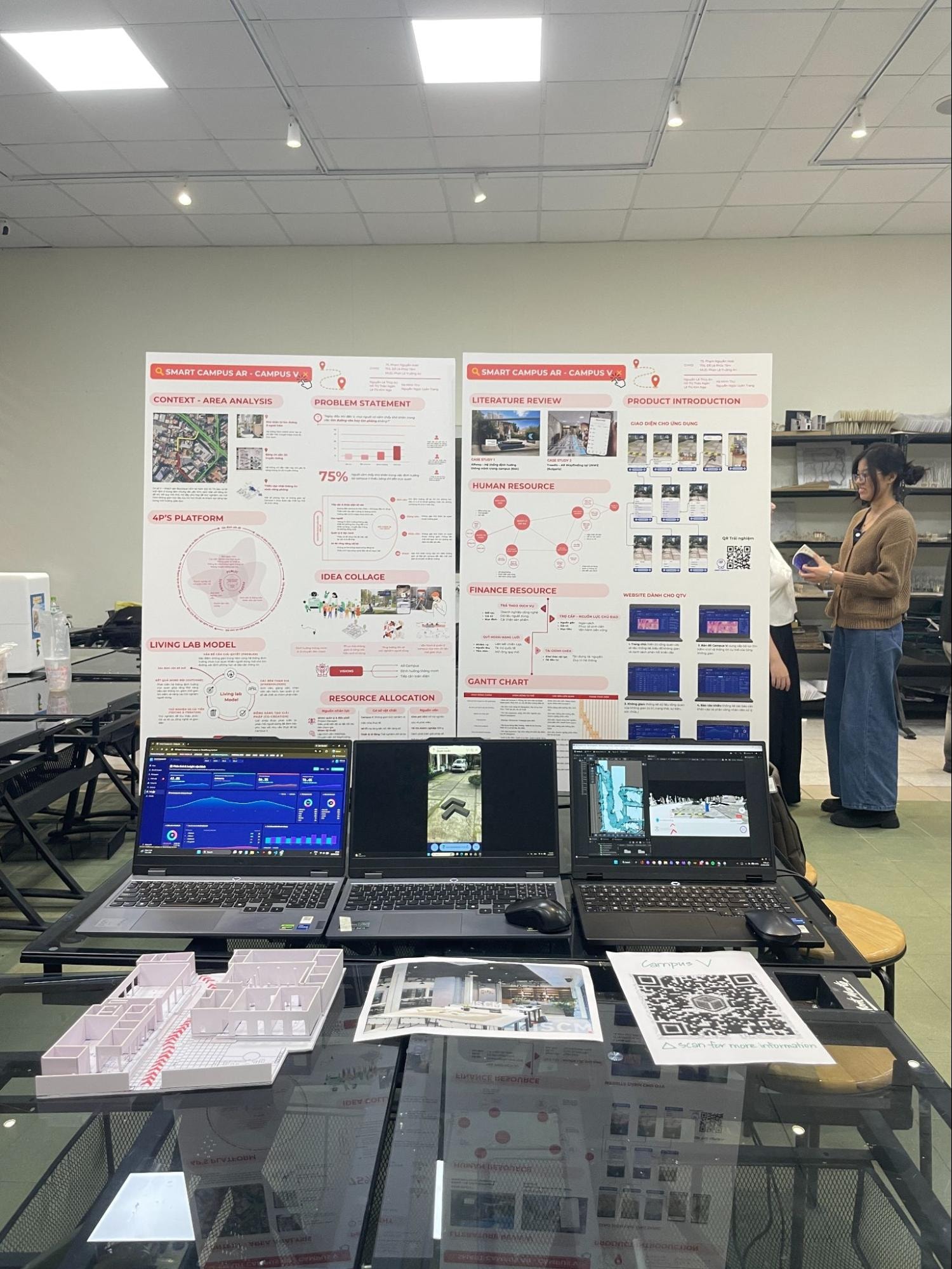
Figure 1. Smart Campus AR is an augmented reality (AR) application that supports campus navigation and provides location-based information through users’ smartphones.
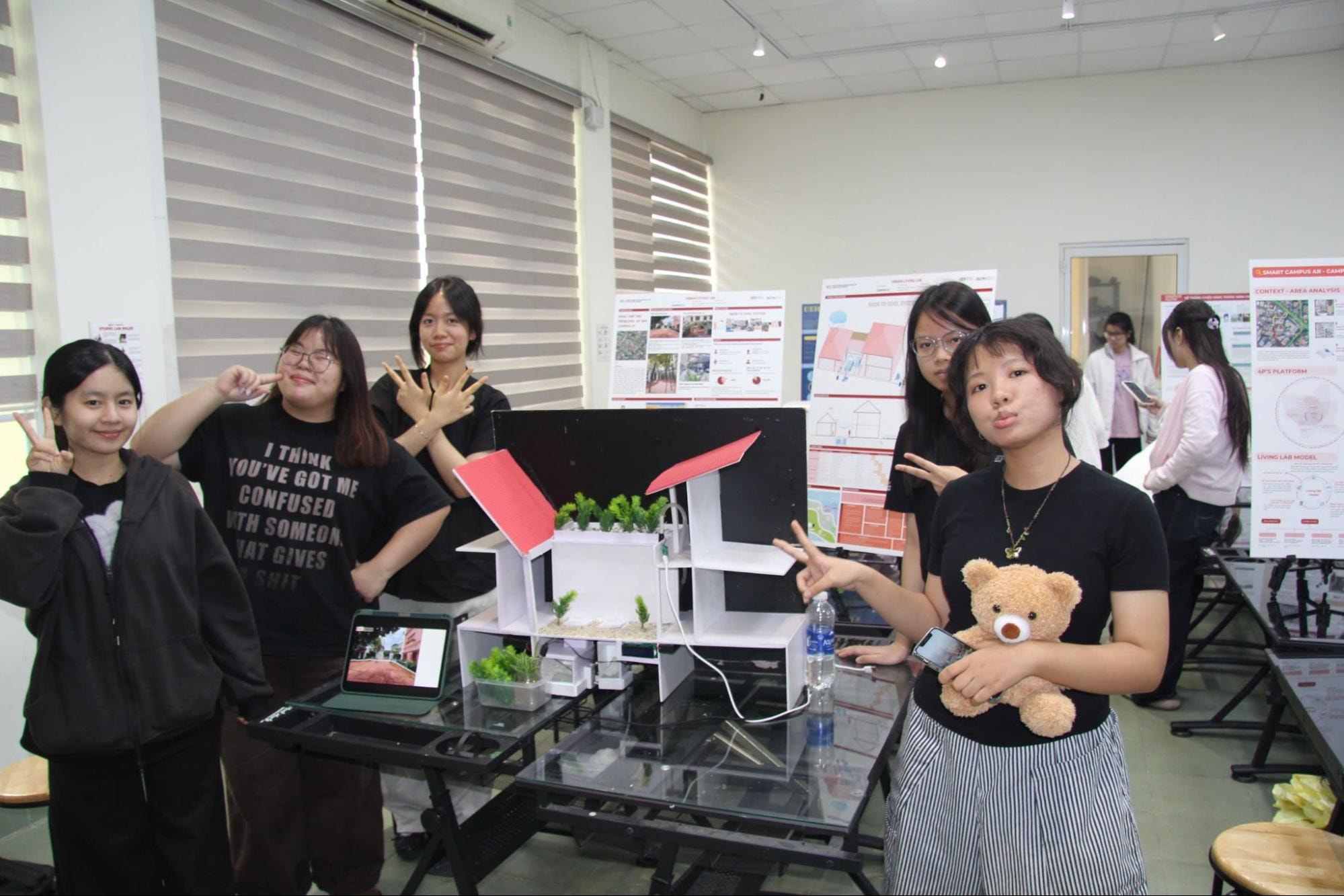
Figure 2. Rain-to-Cool System is a smart rainwater harvesting, storage, treatment, and reuse system designed for landscape irrigation and microclimate cooling at UEH Campus V, utilizing humidity sensors and automated control technologies.
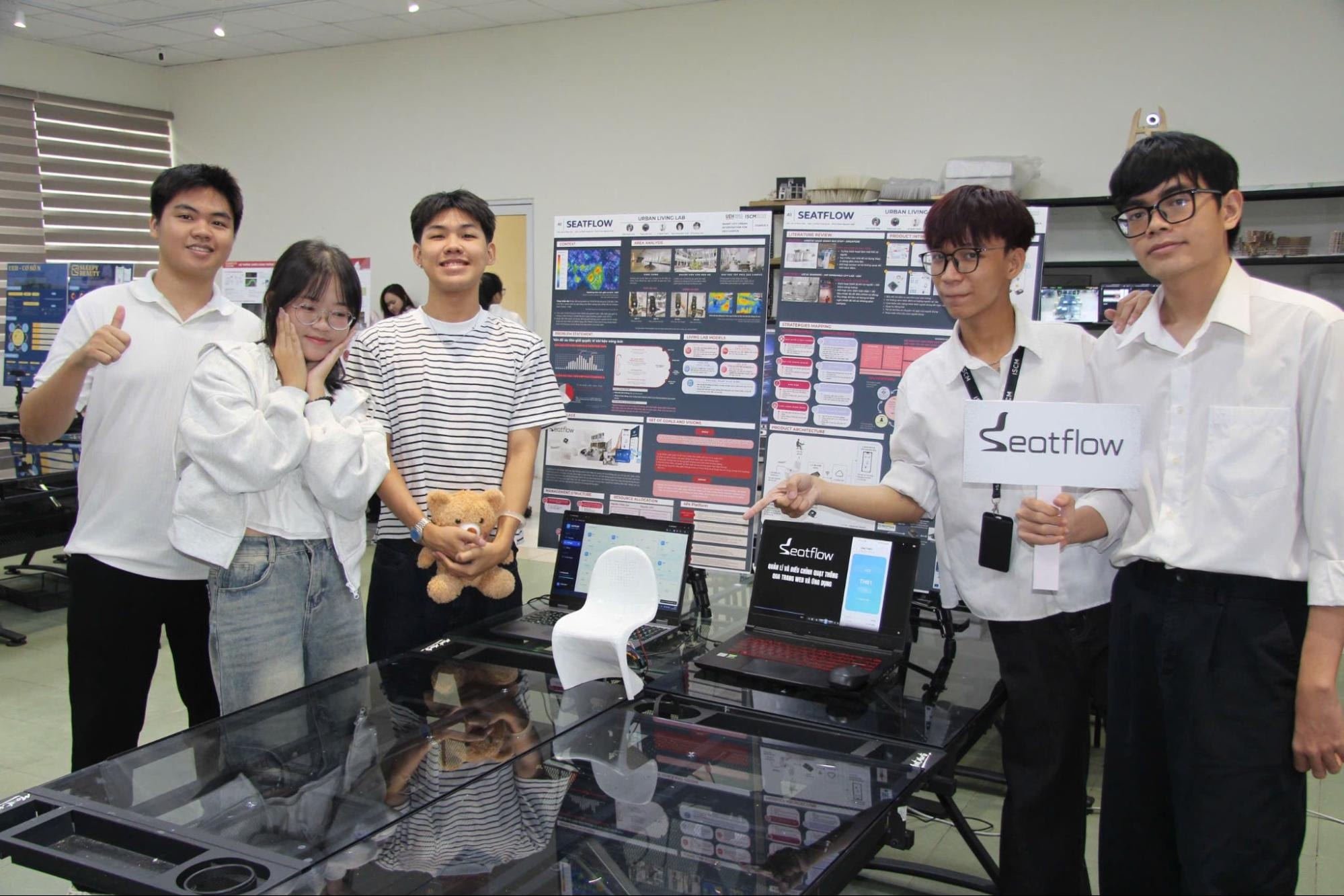
Figure 3. SeatFlow is an IoT-enabled smart seating system. When weight sensors detect occupancy, an ESP8266 microcontroller automatically activates cooling fans and allows users to adjust comfort levels through a mobile application.
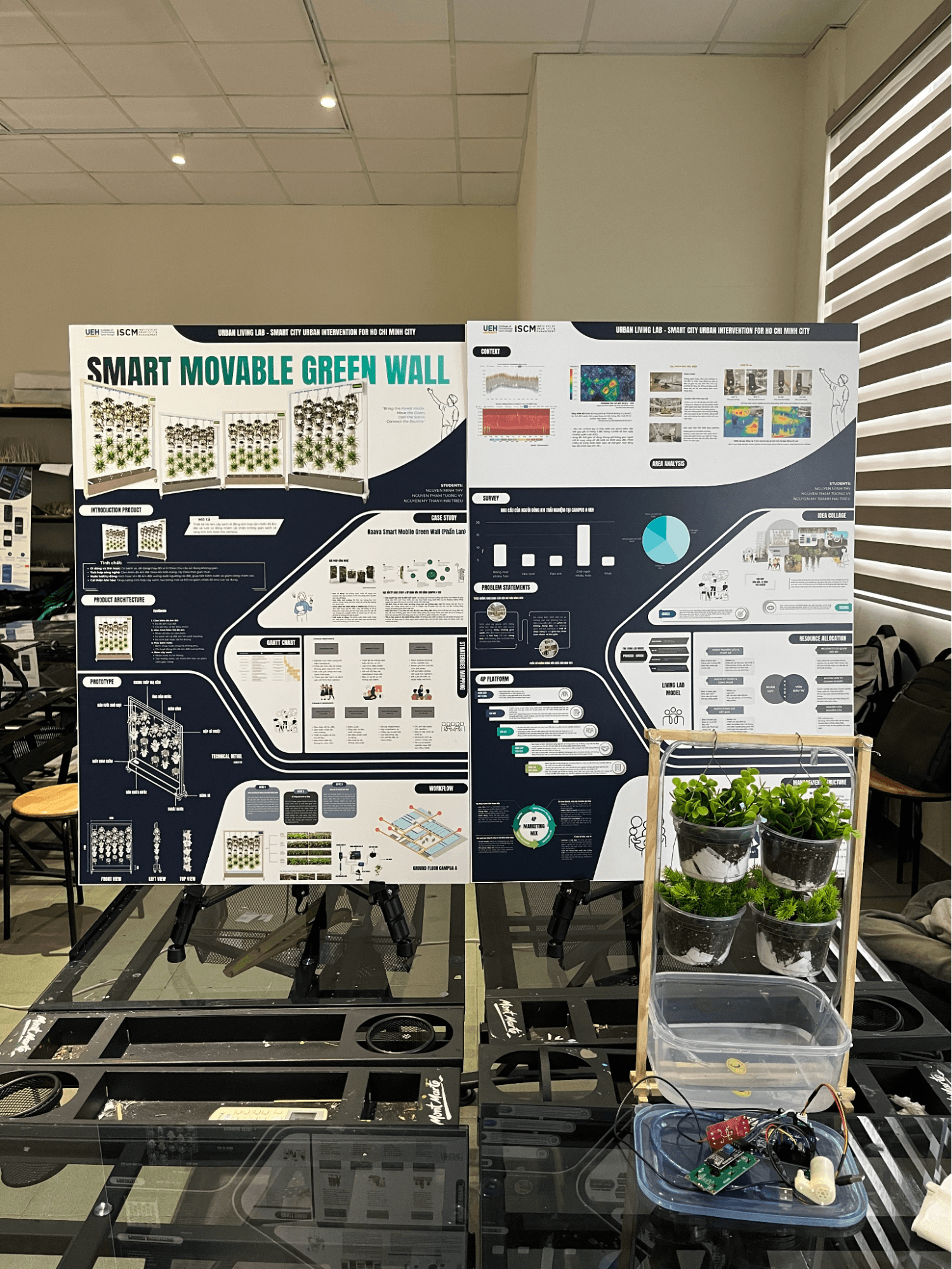
Figure 4. Smart Movable Green Wall is a modular smart green curtain integrated into public spaces at UEH Campus A to enhance landscape quality, improve microclimate conditions, and create flexible learning environments through humidity sensing and automated irrigation.
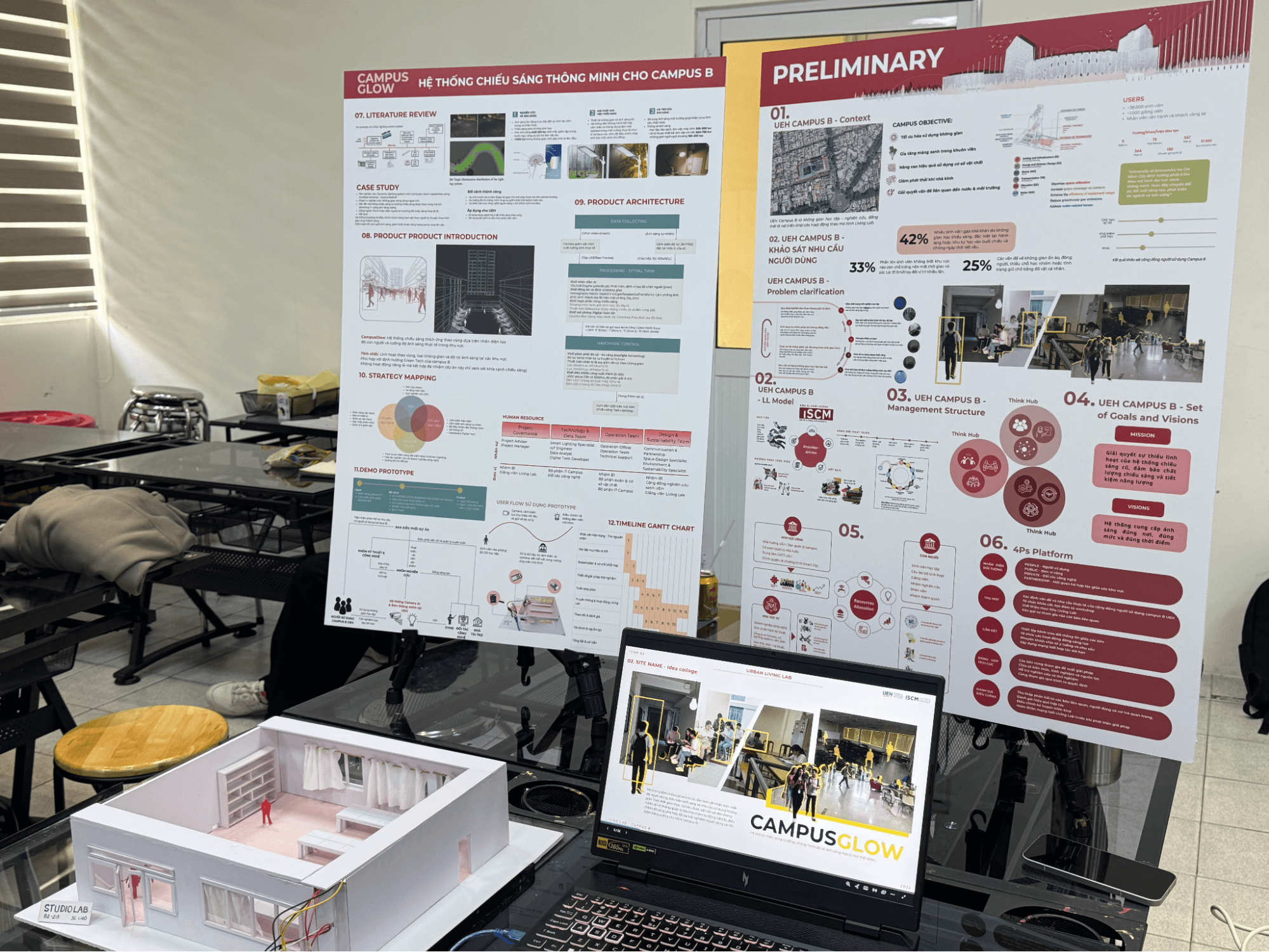
Figure 5. CampusGlow is an adaptive lighting system that adjusts illumination levels based on human location detection and real-time environmental lighting conditions using computer vision and light-sensing technologies.
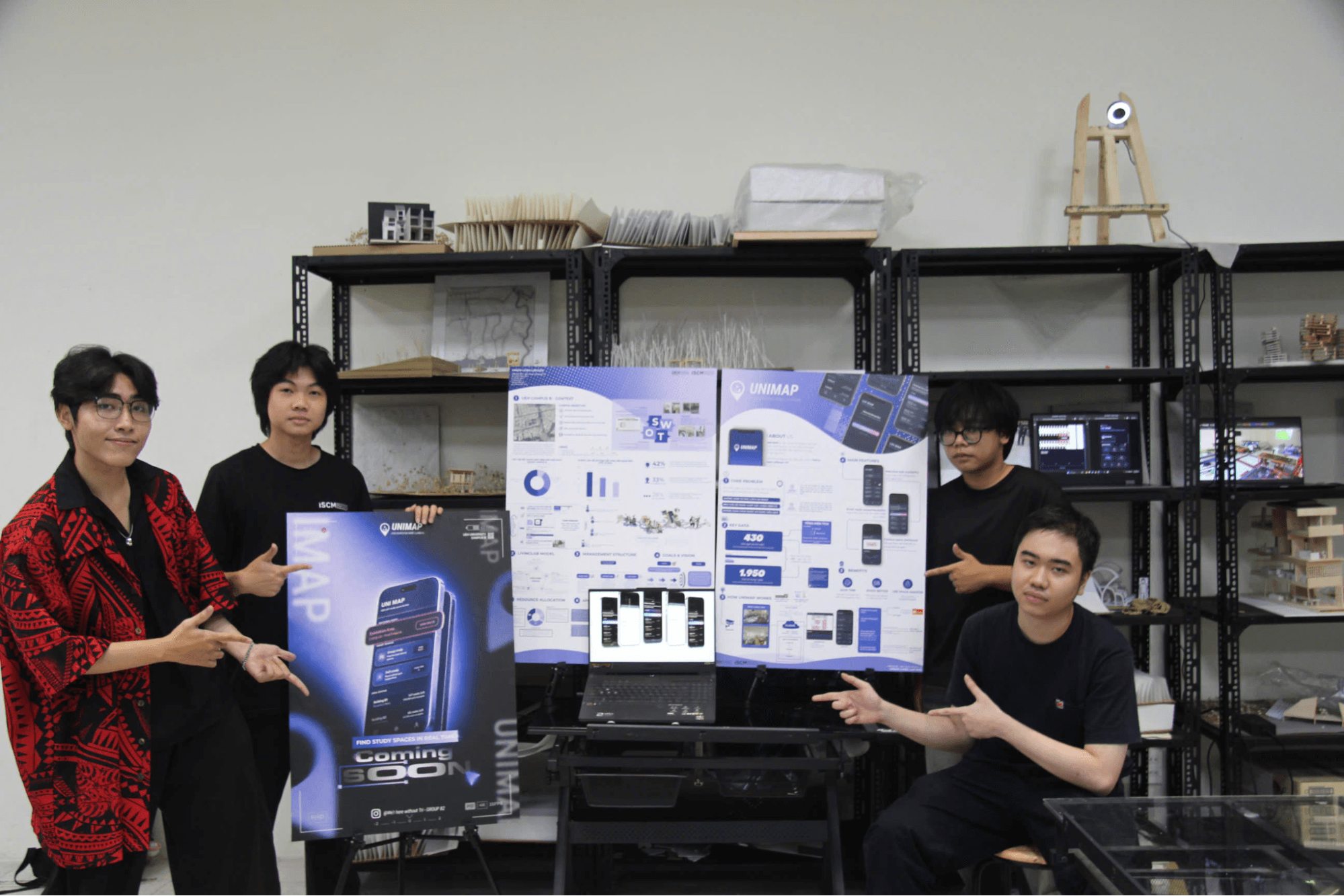
Figure 6. UniMap is an AI-powered study-space search platform that utilizes computer vision technologies to help UEH students locate available seating and study areas, improving learning experiences and space utilization efficiency.
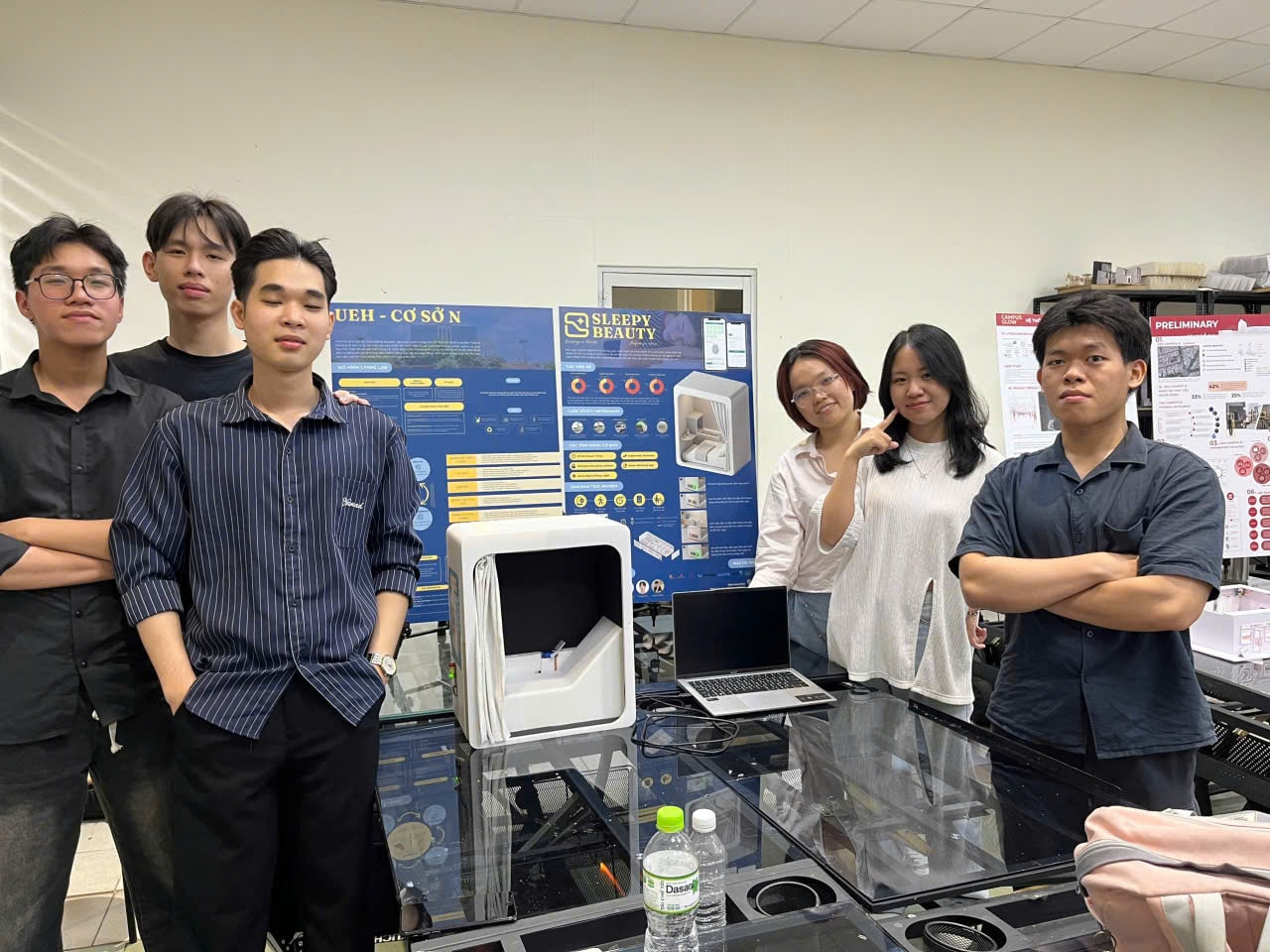
Figure 7. Sleepy Beauty Pod is a private rest and recovery pod designed for students and staff, providing a comfortable environment with appropriate lighting and essential amenities to support short breaks and energy restoration throughout the day.
Urban Living Lab not only equips students with knowledge of smart urban development but also empowers them to become innovators capable of designing meaningful solutions for communities. These solutions are developed with scalability, practicality, and long-term urban sustainability in mind.
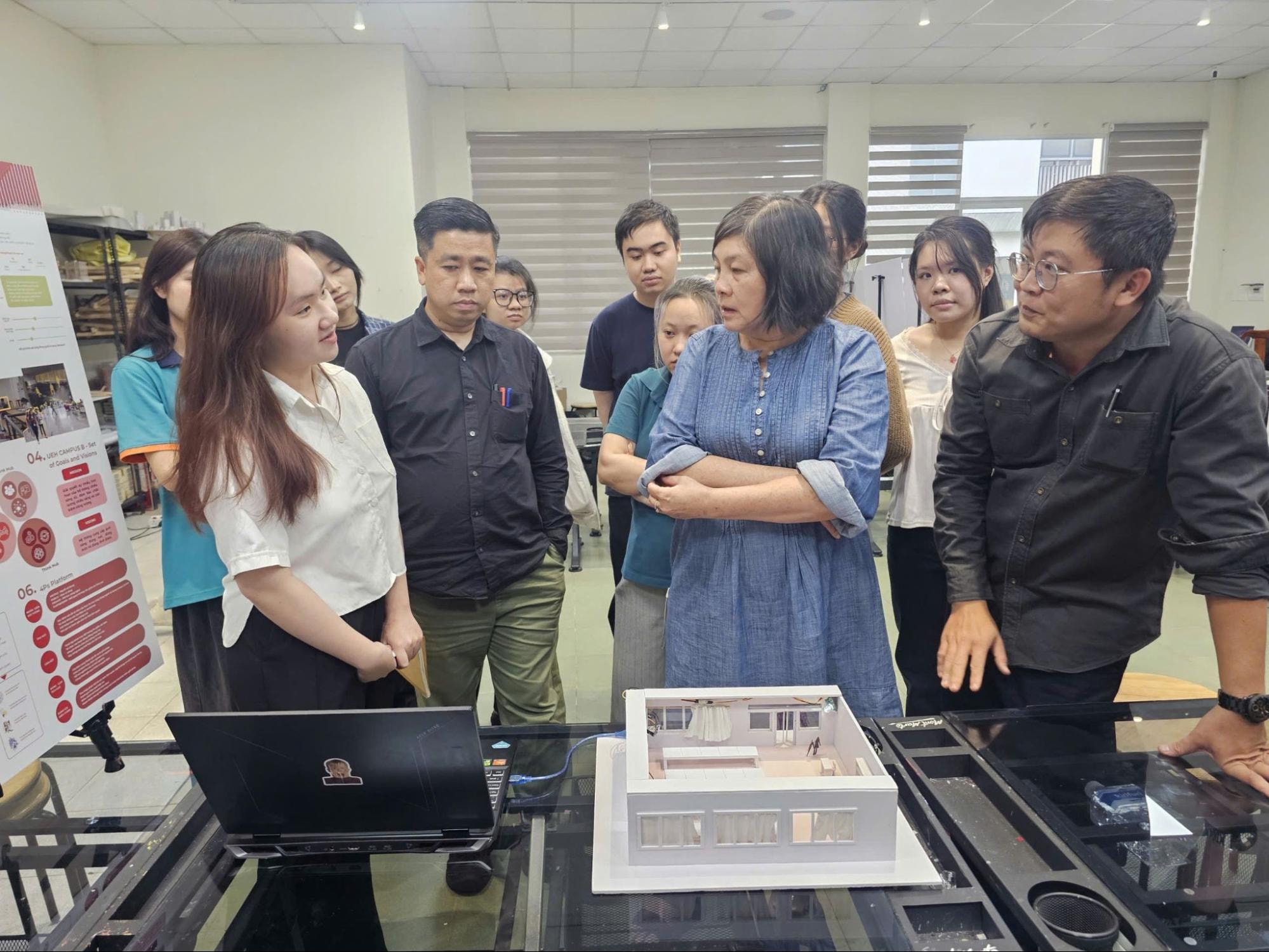
Figure 8. ISCM lecturers and invited panel members evaluating and testing the operation of student-developed technology prototypes during the final Living Lab project exhibition.
Through Urban Living Lab, students learn not only how to analyze and address urban challenges through innovative thinking but also how to embrace the educational philosophy of the Architectural and Urban Design Program at ISCM: combining global perspectives with local contexts. Developed through research-driven approaches, real-world data, and community engagement, these projects help students build the capacity to design smart urban solutions that are meaningful, feasible, and capable of generating sustainable value for society. More importantly, the course prepares the next generation of urban professionals who can integrate technology, design, and governance to create more livable, resilient, and sustainable cities for the future.
📌 Learn more about ISCM academic programs:
- Bachelor of Smart Mobility and Operations Management: https://iscm.ueh.edu.vn/undergraduate/bmom
- Bachelor of Architectural and Urban Design for inclusive Smart City: https://iscm.ueh.edu.vn/undergraduate/baud
- Bachelor Architectural and Urban Design for Inclusive Smart City (Architect): https://iscm.ueh.edu.vn/undergraduate/baud-arch